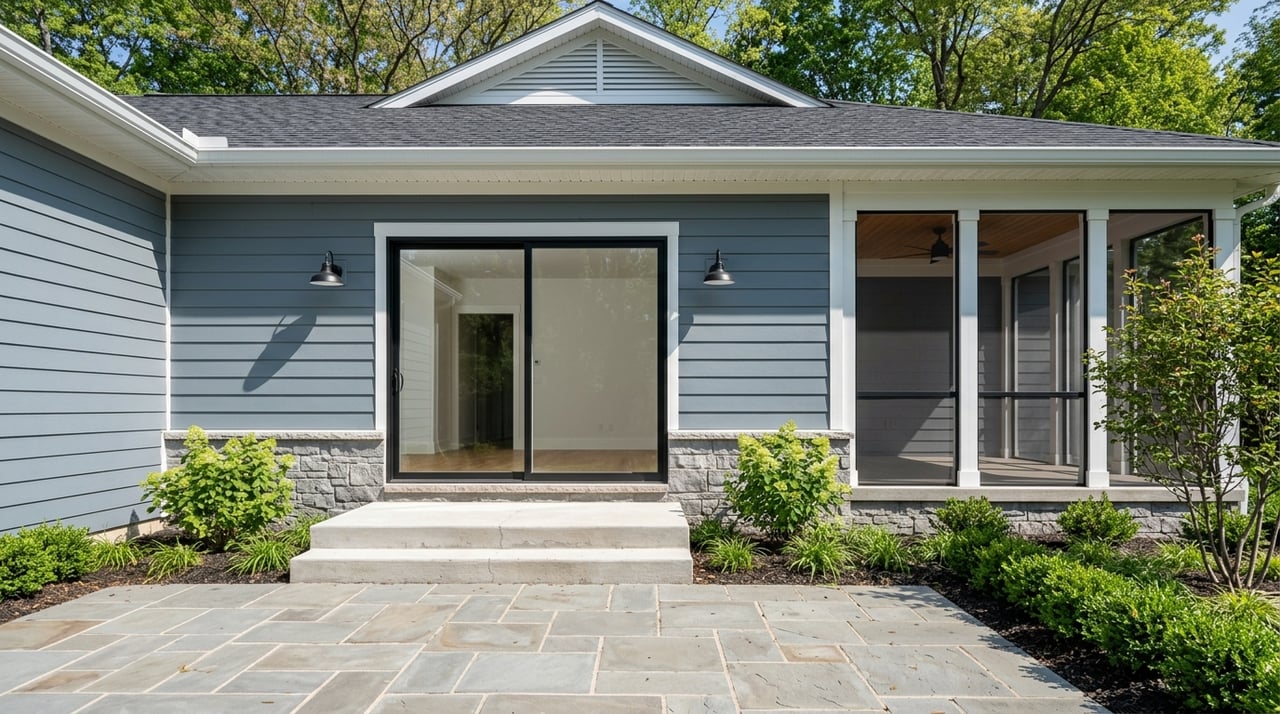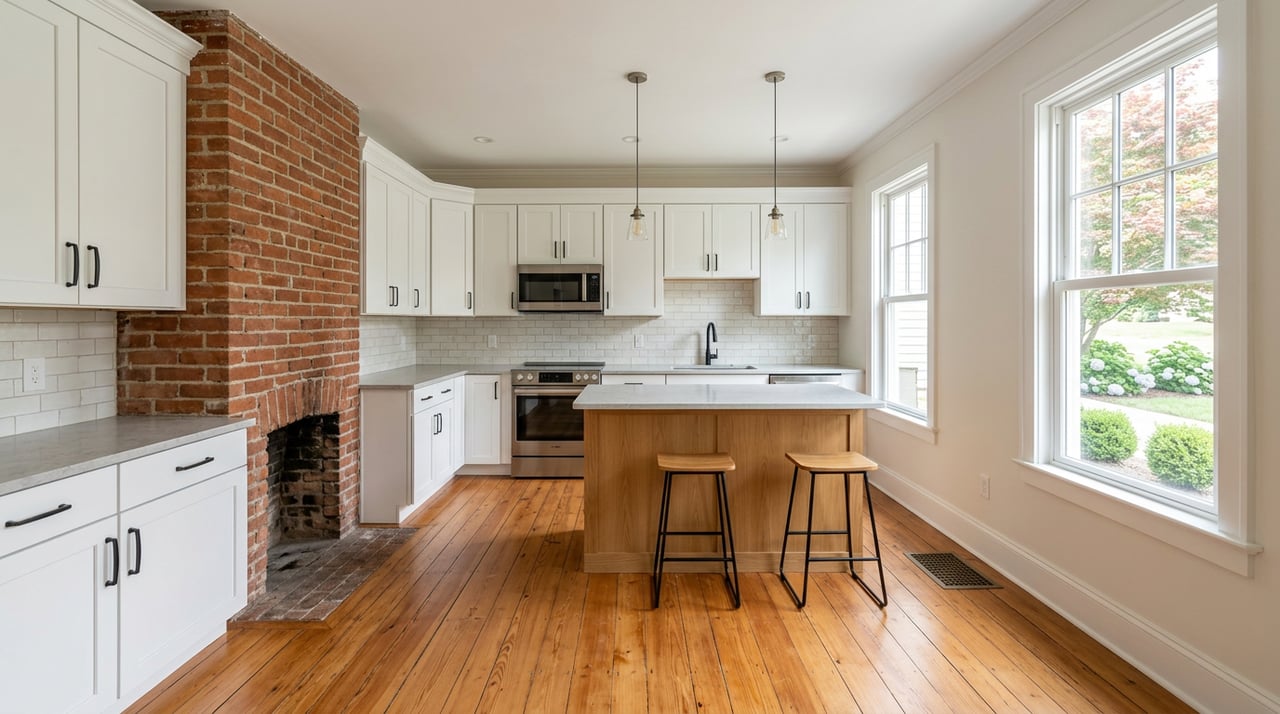
Do you picture yourself on a wide front porch with original millwork, or in a bright open-plan kitchen built for everyday life? In Gordonsville and nearby Louisa County, you can choose either path. The best choice comes down to how you want to live, what you plan to invest in maintenance, and how local rules may shape your project. This guide walks you through key differences, local considerations, and practical next steps so you can buy with confidence. Let’s dive in.
Gordonsville at a glance
Gordonsville is an incorporated town administered by Orange County, right at the border with Louisa County. Historic documentation places the town in Orange County near its Louisa and Albemarle borders, and some properties associated with the area are recorded in neighboring counties. That is why it is essential to confirm the exact parcel and county for any listing you consider. You can review background on the town’s historic area in the Virginia Department of Historic Resources nomination.
Utilities vary by location. Rapidan Service Authority (RSA) provides sewer service in the Town of Gordonsville and water service in parts of the Route 15 corridor. Before you make an offer, verify whether the property is on RSA sewer, a private septic system, or another provider using RSA’s service area information. The Town recently announced a change that affects in-town buyers: beginning March 2026, Gordonsville will end its sewage billing contract with RSA and RSA will bill customers directly. You can read local coverage of the change here.
Taxes and permitting also depend on the county and whether the parcel sits within town limits. As an example, Louisa County’s adopted FY2025 real estate tax rate was $0.72 per $100 of assessed value. Always confirm the current rate and any town levies for your specific parcel using official sources like the county’s adopted budget.
Historic homes: what to expect
Layout and character
If you love period details, Gordonsville’s older homes offer plenty. You often see defined rooms, formal entries, tall ceilings, original woodwork, and generous porches. Kitchens may be smaller by modern standards and storage can be limited. Many buyers choose historic homes for this craftsmanship and sense of place.
Maintenance and likely projects
Older systems can need attention sooner. Plan for careful due diligence on:
- Roof and gutters. Many older roofs are approaching replacement age. Ask for the roof age and get a contractor estimate before closing.
- Electrical. Some historic homes have outdated wiring or undersized panels. Insurance and loans may require upgrades to meet safety standards.
- Plumbing. Galvanized or cast-iron pipes are common in older stock and can fail over time. Ask for documentation of any past repiping and the type of water service.
- HVAC. Older systems are typically less efficient. Heat pump upgrades are common in our region and may qualify for utility or state incentives.
- Lead-based paint. Homes built before 1978 often contain lead paint. Learn how to plan safe work with EPA guidance on lead-safe practices.
- Asbestos-containing materials. Some pre-1980 materials can contain asbestos. If you plan to disturb suspect materials, testing and licensed abatement may be necessary.
- Foundations and drainage. Stone or brick foundations can show moisture or settlement. Bring in a specialist if you see movement or chronic dampness.
- Septic vs. public sewer. If the property is not on town sewer, order a septic inspection and review permit history. In Virginia, the VDH onsite program governs permits; learn more from the Onsite Program overview.
Energy upgrades for older houses
Historic houses can be made more comfortable and efficient without losing character. Start with air sealing and attic insulation, then look at duct sealing, window repair and interior storm panels, and right-sized HVAC. These measures typically deliver better results than replacing character-defining elements too quickly. If incentives matter to you, ask your contractor to price eligible efficiency upgrades and confirm current program rules before you budget.
Historic district rules and incentives
Parts of Gordonsville fall within a Historic Overlay District. If the property contributes to the district, exterior changes such as windows, porches, siding, and rooflines usually require an Architectural Review Board approval and a Certificate of Appropriateness (COA) before a zoning permit is issued. Review the town’s COA process and application early if you plan exterior work.
Tax credits can help in some cases. The federal 20 percent historic rehabilitation credit generally applies only to income-producing properties, not owner-occupied primary residences. Learn more from the National Park Service’s tax incentive overview. Virginia has a state-level program with different rules, so consult the Virginia Department of Historic Resources if you are considering an extensive certified rehabilitation.
New construction: what to expect
Layout and daily living
Newer homes in and around Gordonsville tend to have open floor plans, large kitchens flowing into family rooms, walk-in closets, and attached garages. Bedrooms and baths are sized for modern living, and ample storage is typical. If you want spaces ready for today’s furniture, technology, and routines, new construction makes that easy from day one.
Energy and code advantages
Homes permitted under current Virginia building and energy codes will usually deliver better insulation, air sealing, and HVAC performance than older houses. Virginia has adopted residential provisions based on the 2021 International Energy Conservation Code. If lower utility bills and minimal retrofit work are priorities, confirm when the home was permitted and to which code it was built. You can read more about Virginia’s adoption on EnergyCodes.gov.
Warranties and early maintenance
New builds often include builder warranties for major systems and workmanship. While you should still order a home inspection, the first years can be predictably low-maintenance. Your upfront purchase price bakes in much of the investment that older homes might need in the first few years.
Side-by-side: which fits your goals?
Use these quick prompts to narrow your choice:
- You value original detail and are open to phased upgrades. A historic home may fit, especially if you budget for systems and envelope work.
- You want move-in efficiency with fewer early projects. New construction likely wins on convenience and operating costs.
- You plan exterior changes. If you’re in the Historic Overlay, factor in ARB review and COA approvals. Newer homes outside the overlay usually have simpler permitting.
- You prefer in-town walkability or a country lot. In-town historic homes may be on public sewer; rural new builds often use private septic. Confirm RSA or septic status for each parcel.
- You have a set monthly budget. Newer homes can offer predictable utilities and fewer surprise repairs, while historic homes may require earlier reinvestment but offer long-term value and unique character.
Due diligence checklist for Gordonsville buyers
Work through these steps to protect your timeline and budget:
- Confirm the exact parcel, county, and whether the property is inside town limits or a Historic Overlay. Historic background is available in the DHR nomination for the Gordonsville Historic District. Verify the current county tax rate through official sources like Louisa’s adopted budget if applicable.
- Identify utilities. Use RSA’s service area map to check sewer or water service, and ask the seller for any recent utility bills. Note that, starting March 2026, RSA will bill in-town Gordonsville sewer customers directly per local reporting.
- Order a licensed home inspection and any needed specialized inspections. Verify inspectors through Virginia DPOR’s Board for Asbestos, Lead, and Home Inspectors. Add septic, chimney, roof/attic, electrical, and foundation specialists as needed.
- For older homes, plan for lead-safe practices if the home predates 1978. Review EPA guidance on lead-safe renovation and consult licensed professionals if you suspect asbestos-containing materials.
- If not on public sewer, schedule a septic inspection and confirm the permitted bedroom capacity through the Virginia VDH Onsite Program.
- If the property is in the Historic Overlay and you plan exterior changes, review the town’s COA application and process before you finalize your renovation budget and timeline.
- For new construction, ask for code compliance documentation and warranty details. If energy performance matters, confirm the permit date and standards. See Virginia’s adoption status at EnergyCodes.gov.
How a local advisor helps
Choosing between historic charm and new-build ease is personal. What matters most is aligning the property with your budget, timeline, and plans. A local advocate can help you weigh trade-offs, coordinate the right inspections, navigate Gordonsville’s Historic Overlay rules, and negotiate terms that protect you. If you would like a calm, step-by-step plan tailored to your move in the Gordonsville and Louisa area, reach out to Patricia Irby. Let’s connect over coffee and map your next steps.
FAQs
What should I verify first when buying in Gordonsville or Louisa?
- Confirm the parcel’s county, tax rate, utility service (RSA sewer or private septic), and whether the home sits in a Historic Overlay District that affects exterior changes.
How do I know if a Gordonsville home is in the Historic Overlay?
- Check with Town planning and review the town’s Certificate of Appropriateness process; exterior changes to contributing properties typically require ARB review and a COA.
Which inspections are most important for an older home near Gordonsville?
- In addition to a standard home inspection, consider electrical, chimney, roof/attic, foundation, and, if applicable, septic; verify inspector licensing through Virginia DPOR’s ALHI Board and follow EPA lead-safe guidance for pre-1978 homes.
Is a Gordonsville-area property likely on public sewer or septic?
- In-town properties are often on RSA sewer, while rural parcels typically use private septic; confirm service using RSA’s service area information and order a septic inspection if the property is not on public sewer.
Which energy code applies to new homes in Orange or Louisa County?
- Virginia has adopted provisions based on the 2021 IECC; ask for the permit date and code documentation, and review adoption details on EnergyCodes.gov.
Do owner-occupied historic homes qualify for federal tax credits?
- Generally no; the federal 20 percent historic rehabilitation credit applies to income-producing properties, not owner-occupied homes, per the NPS tax incentive overview.
What is changing about Gordonsville sewer billing in 2026?
- The Town will end its sewage billing contract with RSA in March 2026, and RSA will bill customers directly; see local coverage of this change here.