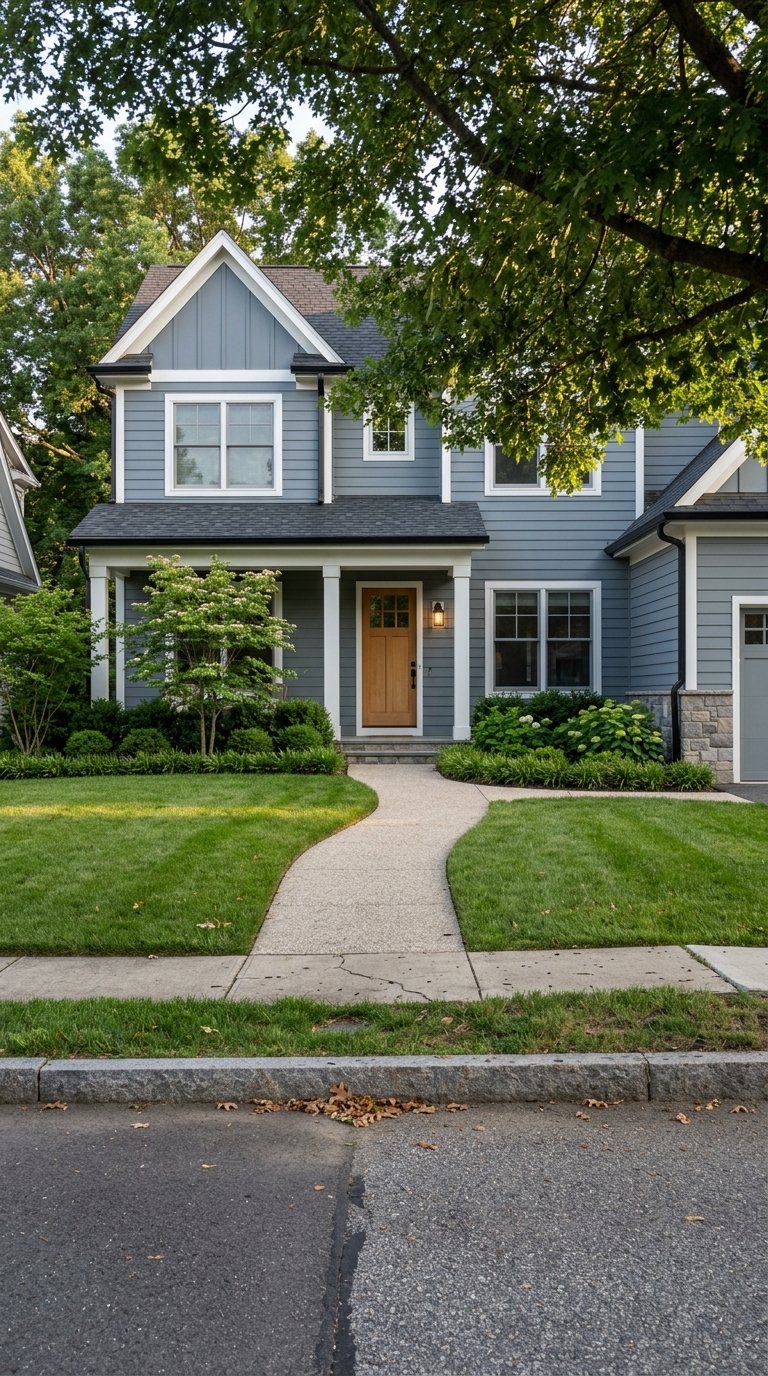
If you are trying to choose between an older Crozet neighborhood and a newer planned community, you are not alone. This is one of the biggest decisions buyers face in Crozet because each option offers a very different daily experience. The good news is that both can be a strong fit, depending on what matters most to you. Let’s break down what to expect so you can compare them with more confidence.
Why this choice matters in Crozet
Crozet is one of Albemarle County’s designated development areas, where growth is intended to be concentrated while rural land elsewhere is preserved. That planning approach helps explain why Crozet includes both older neighborhood patterns and newer, more compact communities.
The Crozet Master Plan emphasizes interconnected streets, pedestrian and bicycle connections, mixed housing types, and activity centers like Downtown Crozet and Old Trail Village. Local survey results also show that open and green space matter to many residents, with 68% rating it very important and 47% saying the same about tree-lined streets.
That mix shapes today’s housing choices. If you are comparing established neighborhoods versus new communities, you are really comparing two different ways of living in the same town.
What established neighborhoods offer
Established Crozet neighborhoods often appeal to buyers who want a less uniform feel. In the Crozet Historic District, homes developed along streets like Crozet Avenue, Blue Ridge Avenue, St. George Avenue, and Tabor Street, creating a pattern of varied architecture, grassy lawns, and driveways.
You will also see a broad range of home styles in older parts of Crozet. The historic district includes Greek Revival, Queen Anne, Colonial Revival, Bungalow/Craftsman, Tudor Revival, and other architectural forms. That variety can give an area a sense of character that is harder to duplicate in newer construction.
Lot size is another major difference. Historic documentation notes larger lots in many older areas, and some postwar neighborhoods followed that pattern too. In the Hilltop and Myrtle Street area, 51 acres were divided into 26 lots of about half an acre each in 1946, which helps explain why some established neighborhoods feel roomier today.
Common strengths of established neighborhoods
If you are drawn to older Crozet neighborhoods, you may appreciate:
- Larger or deeper yards
- Mature trees and landscaping
- More architectural variety
- Less uniform street patterns
- Proximity to downtown streets and public parks in some areas
These features can create a neighborhood feel that many buyers actively seek out.
Trade-offs to keep in mind
Older neighborhoods can also come with different maintenance expectations. Based on the larger lots and older-home pattern seen in Crozet, you may have more yard work and more upkeep than you would in a newer planned community.
That does not make one option better than the other. It simply means the lifestyle fit is different. If you love space and character, the extra maintenance may feel worthwhile.
What new communities offer
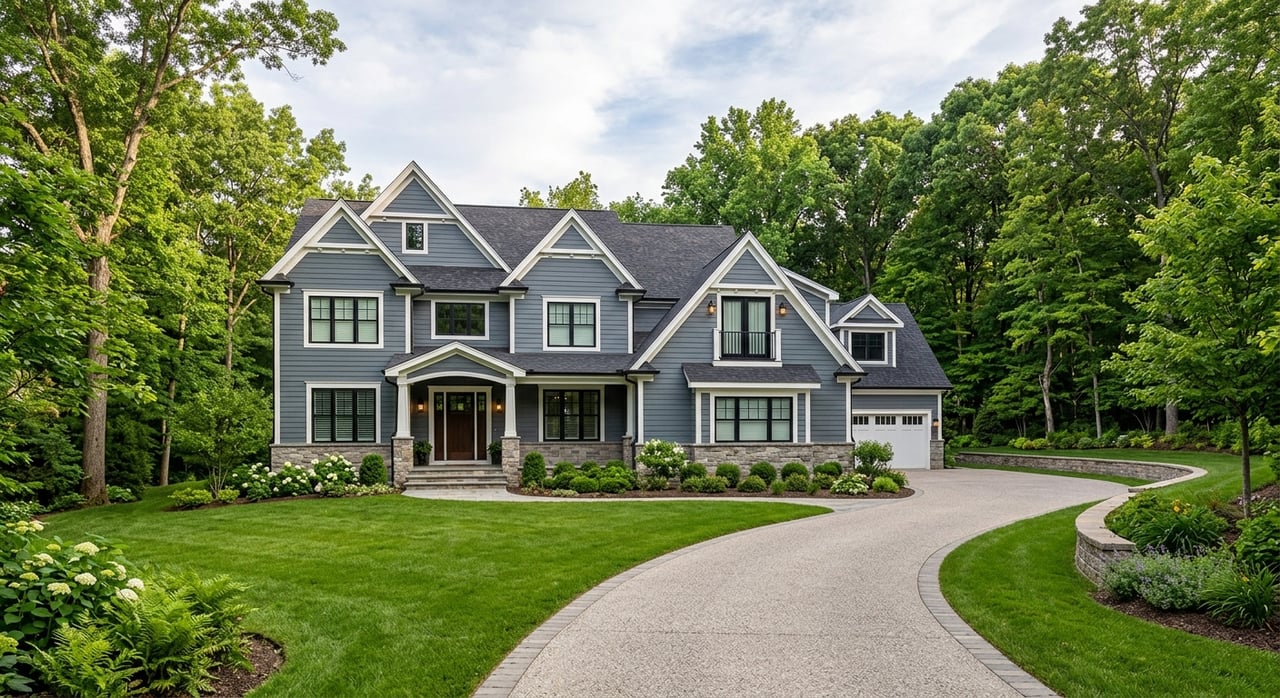
Newer Crozet communities tend to be more planned, compact, and amenity-focused. They are often designed around connected streets, shared spaces, and housing options that support a more village-style layout.
Old Trail is the clearest example of this approach. Approved as a Neighborhood Model District rezoning in 2005, it includes a Village Center with retail, offices, restaurants, civic uses, and recreational features, along with four interconnected urban villages.
The housing mix in Old Trail includes brownstone townhomes, attached villas, apartments, senior housing, and other new homes. Public-facing amenities there include the golf club, swim club, and Western Park.
Pleasant Green shows the denser side of the Crozet new-home market. Planning coverage described it as 268 units on 37 acres, including condos, townhouses, and villas with garages. Current offerings in Crozet there have included townhomes around 2,091 square feet with 3 bedrooms and 2.5 baths, plus single-family plans from about 2,105 to 2,800 square feet.
Common strengths of new communities
If you are considering a newer Crozet community, you may be looking for:
- More standardized floor plans
- Modern layouts
- Garages
- Shared amenities
- Less private yard to maintain
- Better walkability to shops and dining in some locations
For many buyers, that combination supports a simpler day-to-day routine.
Trade-offs to keep in mind
The same features that make newer communities convenient can mean less lot privacy or less variation from house to house. In denser communities, homes are often closer together and the streetscape may feel more consistent.
Again, that is not a drawback for everyone. Some buyers prefer the predictability, newer finishes, and built-in amenities that planned communities provide.
Comparing lifestyle and convenience
When you compare established neighborhoods and new communities in Crozet, your daily routine is often the deciding factor. The question is less about which is “best” and more about which setting supports the way you want to live.
Buyers in established neighborhoods may enjoy a park-and-street lifestyle that feels connected to Crozet’s older village pattern. Buyers in places like Old Trail or Pleasant Green may prefer having more built-in amenities and stronger walkability to village-style destinations.
Crozet also has a strong public amenity base that supports both choices. Crozet Park offers 22 acres, a paved perimeter trail, and year-round aquatics and fitness. Mint Springs Valley Park offers 520 acres, a seasonal beach, picnic shelters, a playground, and 5 miles of trails.
Western Park, located in Old Trail, adds 39 acres with a playground, athletic fields, a community garden, and trail segments. Greenwood Community Center also provides recreation space with a center, baseball field, playground, and shelter.
Commute and connectivity in Crozet
Commute convenience in Crozet is not just about driving time. County transportation materials describe a mix that includes car access, commuter transit, and future trail connectivity.
Crozet remains largely car-oriented, but Albemarle County lists Crozet Connect commuter routes and notes CAT service. The Three Notched Trail master plan is also intended to create a future car-free connection between Charlottesville, Crozet, and Nelson County.
That means your experience may vary based on where you live and how you travel. In newer communities like Old Trail, the layout and village structure may support more day-to-day walking to nearby amenities. In established neighborhoods, you may be closer to downtown Crozet or established public spaces, while still relying on a car for many trips.
How to decide what fits you best
A simple way to compare Crozet’s older and newer neighborhoods is to think about your priorities in four categories: home style, yard size, amenities, and maintenance.
If you picture yourself enjoying mature landscaping, a larger yard, and a home with more distinct architectural character, established neighborhoods may rise to the top. If you want a newer layout, a garage, shared amenities, and a lower-maintenance yard setup, a new community may make more sense.
You should also think about how long you plan to stay. Established neighborhoods are likely to keep appealing to buyers who want character, mature trees, and larger lots. New planned communities are likely to keep attracting buyers who want modern features, garages, and amenity-rich living.
There is no one-size-fits-all answer
Crozet does not have one universally better housing type. That is part of what makes the area appealing. You can find both older neighborhood charm and newer community convenience within the same market.
The key is knowing what trade-offs feel right for you. A thoughtful comparison now can help you buy with fewer surprises and more confidence later.
If you are weighing Crozet’s established neighborhoods against its newer communities, a local conversation can make the decision much clearer. Patricia Irby brings a warm, consultative approach, deep local perspective, and strong negotiation focus to help you compare options and move forward with confidence. Let’s connect over coffee and talk through what fits your goals best.
FAQs
What is the difference between established neighborhoods and new communities in Crozet?
- Established neighborhoods in Crozet often offer larger lots, mature landscaping, and more architectural variety, while new communities typically offer modern layouts, garages, shared amenities, and a more compact design.
Which Crozet neighborhoods usually have larger lots?
- Older and postwar Crozet neighborhoods often feel roomier because many were developed with larger lots, including areas where lots were about half an acre or more.
Are new Crozet communities more walkable?
- Some newer Crozet communities, especially village-style developments like Old Trail and areas near Downtown Crozet, are designed with stronger pedestrian connections and walkability to shops, dining, and amenities.
What amenities are available in Crozet for both old and new neighborhoods?
- Crozet offers public amenities that serve many neighborhoods, including Crozet Park, Mint Springs Valley Park, Western Park, and Greenwood Community Center.
Is Crozet easy for commuting to Charlottesville?
- Crozet’s transportation picture includes car access, Crozet Connect commuter routes, CAT service, and future planned trail connectivity through the Three Notched Trail, so commute convenience depends on your location and travel habits.
Do newer Crozet communities usually require less maintenance?
- In general, newer communities in Crozet often have less private yard space to maintain, while established neighborhoods may involve more landscaping and upkeep because of larger lots and older homes.