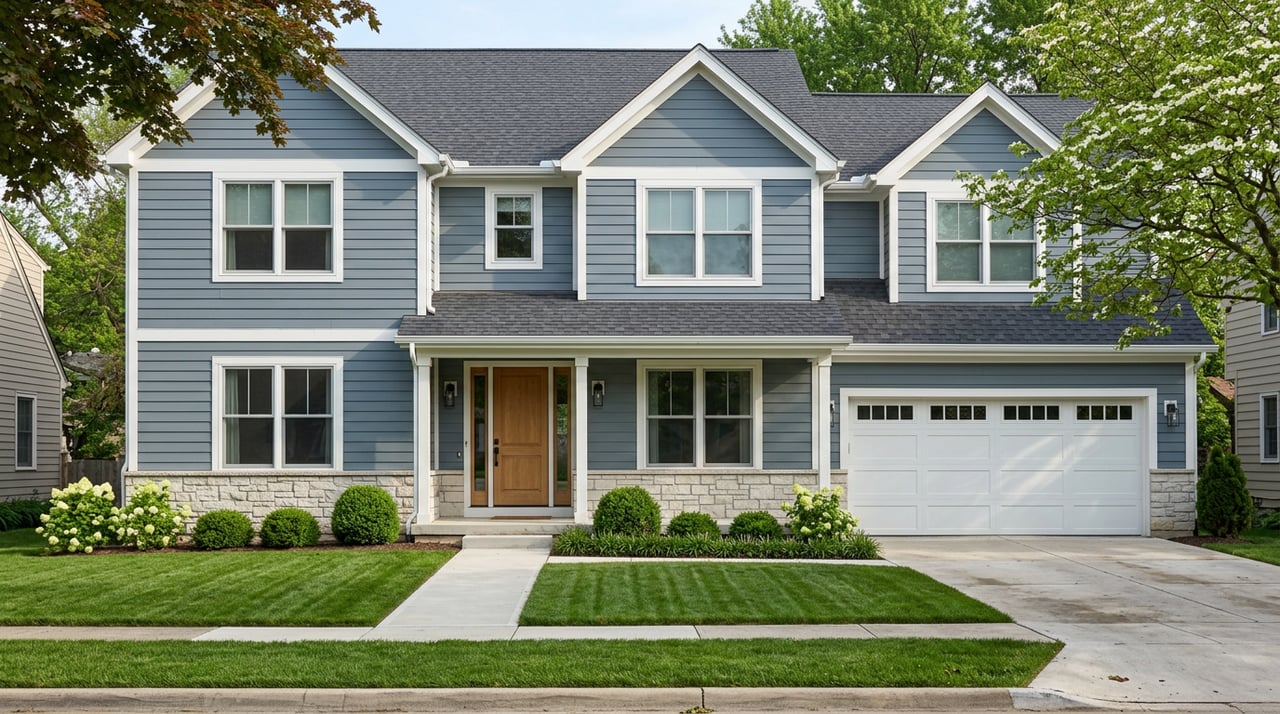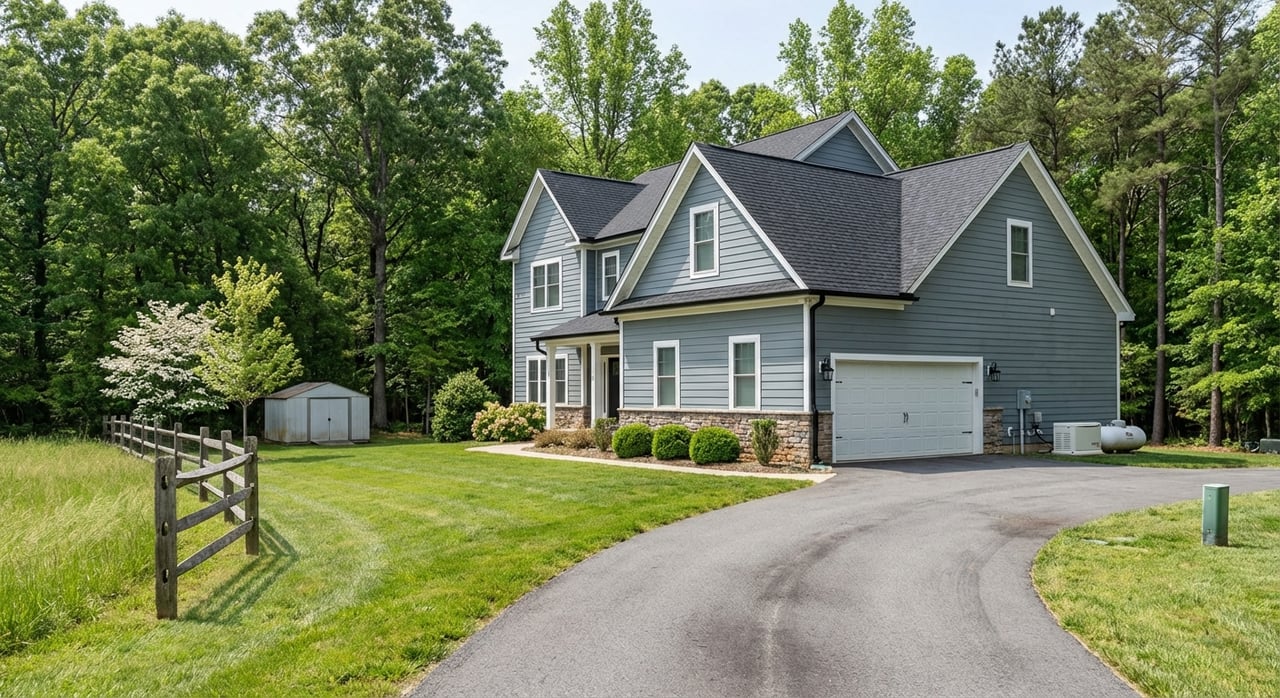
If you picture mornings on a quiet porch, room for a garden or horses, and starry skies at night, you’re in the right place. Earlysville offers the space and privacy many buyers want, yet it stays close to everyday conveniences. At the same time, buying acreage brings different questions about zoning, wells, septic systems, and access. This guide explains what to expect in Earlysville and how to verify the details that matter before you make an offer. Let’s dive in.
Why Earlysville for land
Earlysville sits just north of Charlottesville, roughly 9 miles from the city center depending on your exact address and route. The area is largely rural, with rolling pasture, wooded parcels, small farms, and larger estates. You’ll also find pockets of planned subdivisions, but most of Earlysville keeps an open, countryside feel. Many properties include barns or outbuildings, paddocks, private ponds, or long gravel driveways. Proximity to the Charlottesville–Albemarle Airport and shopping in the Hollymead area is a practical perk for everyday needs. For location context, review the community’s overview on Earlysville’s Wikipedia page.
What “acreage” means here
Acreage in Earlysville ranges widely. What you buy determines your maintenance load, your utility setup, and the rules that may shape future use.
1–5 acres
These sites are often wooded with a private driveway and a single‑family home. Most rely on a private well and septic system unless they fall within a public service area. You’ll enjoy more space than a typical neighborhood lot, but you still have manageable mowing and minimal farm upkeep. Pay close attention to septic permits and well output.
5–50 acres
This range fits many hobby farms, small horse setups, and mixed pasture‑and‑woods properties. You may see fencing, small barns, equipment sheds, and stream corridors. Usable acreage matters more at this scale, so look closely at topography, soils that support septic, and any flood or stream‑buffer overlays that may restrict where you can build or expand.
50+ acre estates and working farms
Larger holdings often include a mix of tillable land and timber, longer private drives, and higher ongoing maintenance. Some parcels participate in Agricultural‑Forestal Districts or have conservation easements, which can influence development rights and taxes. Always confirm recorded restrictions and management requirements before you plan improvements.
Zoning and rural rules
Much of Earlysville lies in Albemarle County’s designated Rural Area, which prioritizes protection of agriculture, forestry, and natural resources. That framework typically means low residential density. County materials describe Rural Area planning assumptions in development scenarios at roughly 0.5 dwelling per acre in development lots, but exact allowances depend on your zoning, recorded plats, and environmental overlays. Do not assume you can subdivide or add homes without a detailed review.
- Start with Albemarle’s parcel tools. Use the county GIS to check zoning, flood hazard, stream buffers, Agricultural‑Forestal districts, and other overlays for a specific address. See the Albemarle County GIS resources.
- Check for Agricultural‑Forestal Districts or conservation easements. These designations can limit subdivision or certain land uses and can affect taxes. Review the county’s AFD information and updates via the AFD Advisory Committee page.
- Evaluate environmental constraints. Streams, wetlands, steep slopes, and mapped floodplain can restrict building sites, driveway alignments, and earthwork. Confirm federal flood mapping at FEMA’s Flood Map Service Center, then cross‑check the county’s flood hazard overlay in the GIS.
Septic, wells, and maintenance basics
Most Earlysville acreage depends on a private well and an onsite sewage system. If you prefer public water or sewer, verify service by address before you tour. The Albemarle County Service Authority maintains service‑area tools and can confirm availability and capacity. Start your check with the ACSA Start/Stop Service portal.
For private systems, build these steps into your due diligence:
- Request the septic permit and as‑built drawing, plus any maintenance records. If records are missing, schedule a licensed septic inspection and plan for a pump‑out if due.
- Know the Virginia maintenance rule of thumb. State regulations tied to the Chesapeake Bay require septic tank pump‑out or inspection at least once every five years in applicable areas or system types. Review the regulation language at the Virginia Administrative Code, and confirm local requirements for your address.
- Verify the well. Ask for well logs, a recent pump test, and water‑quality results. If a property lacks a well, price out drilling and permits with local well contractors.
Utilities and internet
- Electricity: Most parcels are served by regional utilities or electric cooperatives. Confirm the provider and whether the site has its own meter. Natural gas is not universal in rural areas, so plan on electric heat, propane, or oil where gas lines do not run.
- Broadband: High‑speed options are improving. Firefly Fiber Broadband is expanding service in Albemarle County, with project areas that include parts of Earlysville and nearby Free Union. Availability changes quickly, so use provider lookup tools by address. Check the Firefly RISE project information for Albemarle on the Firefly partners page, then confirm exact address eligibility with providers.
Access, roads, and driveways
How you reach the property is as important as the house itself.
- State road access: If your driveway connects to a Virginia Department of Transportation (VDOT) road, you may need an entrance permit when constructing or modifying the driveway. County review packets often reference VDOT entrance conditions and sight‑distance requirements. For context, see how these permits surface in Albemarle project materials via Board of Supervisors meeting records.
- Private roads and rights‑of‑way: If access runs over a private lane or recorded right‑of‑way, locate and review the recorded road maintenance agreement. These documents spell out who maintains the road, cost‑sharing, and any restrictions. A title search will also reveal recorded easements that affect access or use.
Price, privacy, and commute tradeoffs
Market prices in Albemarle County often trend higher than the statewide average, and quarterly medians in recent years have been in the $500,000‑plus range. For current numbers, review the latest CAAR market reports or MLS snapshots through your agent.
Pricing for acreage varies based on usable, buildable land, soils that support septic, public utility availability, topography, long views, and existing infrastructure like barns and fencing. Parcels with heavy environmental overlays, poor soils, or limited access may be discounted or require higher improvement budgets. You can preview constraints and overlays using the Albemarle County GIS.
Earlysville’s location helps many buyers balance privacy with a reasonable commute. Depending on where you live and the route you drive, you may reach central Charlottesville in roughly 10–25 minutes. Test your commute from the property’s driveway at both peak and off‑peak times to set realistic expectations. For regional context, see Earlysville’s location overview.
Buyer due diligence checklist
Before your contingencies expire, work through this list with your agent and inspectors:
- Parcel boundaries and overlays. Check zoning, floodplain, stream buffers, Agricultural‑Forestal Districts, and public service areas in the Albemarle County GIS. This clarifies what you can build and where.
- Public water and sewer. Use the ACSA service portal or speak with ACSA to confirm availability and capacity. If not available, ensure a functioning well and a permitted septic system are in place.
- Septic system verification. Collect the permit and as‑built, maintenance records, and a current pump‑out or inspection if due. The Virginia Administrative Code outlines the five‑year pump‑out or inspection standard in applicable areas.
- Well records and water quality. Request the well log, recent pump test, and water‑quality results. If data is missing, budget for testing or drilling as needed. Local conservation groups like the Thomas Jefferson Soil & Water Conservation District can share resource referrals at tjswcd.org.
- Soils and perc. Use the USDA NRCS Web Soil Survey for a first look at soil types, then order an on‑site soils and perc evaluation for septic approval. Learn how to use the survey tools in this soils guide.
- Flood risk. Check FEMA’s Flood Map Service Center for mapped zones, then verify the county’s flood‑hazard overlay to see if the home or potential building sites lie in a regulated area.
- Title and recorded instruments. Ask your title company to search for easements, covenants, private road agreements, rights‑of‑way, conservation easements, and any restrictions that could affect use or subdivision.
- Access and VDOT permits. Confirm if the driveway connects to a state road and whether a VDOT entrance permit exists or will be required. See references to entrance permits in county materials via BOS records.
- Utilities and broadband. Verify address‑level options for electricity, propane or natural gas, and internet. Start with ACSA for public water/sewer and providers like Firefly for fiber availability using the Firefly partners page.
- Long‑term maintenance. Estimate ongoing costs for driveways and gravel, fence repairs, pasture mowing, pond care, and tree work. If there is a private road, review the maintenance agreement for cost‑sharing obligations.
Smart offer strategies
When you find the right acreage, align your offer with what you’ve learned:
- Build in the right contingencies. Include septic inspection, well testing, and, if needed, a soils and perc evaluation. If title research is still in progress, include a contingency to clear any easements or access concerns.
- Price for usability. Adjust your offer based on usable acreage after accounting for flood zones, stream buffers, or steep slopes. Favorable soils, an existing permitted septic, and quality outbuildings can justify a stronger price.
- Confirm access and utilities in writing. If the seller represents access or utilities a certain way, reference the documents or permits in your contract and attach any supporting exhibits.
- Plan your improvement timeline. If you intend to add fencing, convert fields, or construct an additional barn, understand permit steps and sequencing before closing.
Work with a local guide
Buying a home with land in Earlysville is exciting, and it moves smoothly when you have a clear plan. You deserve an advocate who knows the rural rules, the right county tools, and how to structure a protective offer. If you’re ready to explore acreage near Charlottesville, reach out to Patricia Irby for thoughtful, negotiation‑forward buyer representation. Let’s connect over coffee and map your next steps.
FAQs
How long is the commute from Earlysville to Charlottesville?
- Many addresses in Earlysville reach central Charlottesville in roughly 10–25 minutes depending on the exact location and traffic. Test your route at peak and off‑peak times for accuracy. For location context, see Earlysville’s overview.
What should I check about septic when buying acreage in Earlysville?
- Ask for the septic permit and as‑built, maintenance records, and a current pump‑out or inspection if due. Virginia rules call for pump‑out or inspection at least every five years in applicable areas or systems. Review the regulation at the Virginia Administrative Code.
How do I know if I can subdivide land in Earlysville?
- Much of Earlysville is in Albemarle’s Rural Area, where density is low and multiple overlays may limit subdivision. Check zoning, plats, and overlays in the Albemarle County GIS and verify whether the parcel lies in an Agricultural‑Forestal District or has a conservation easement.
Is fiber internet available at my Earlysville address?
- Broadband is expanding, including Firefly Fiber Broadband projects in Albemarle. Availability varies by street, so confirm at the provider level. Start with the Firefly partners page and use provider address‑lookup tools.
How can I check if a property is in a flood zone?
- Enter the address at FEMA’s Flood Map Service Center to see official flood zones, then cross‑check the county’s flood‑hazard overlay in the Albemarle GIS to understand local constraints.