Outgrowing your current home, but not your love for Charlottesville? You’re not alone. Many local owners reach a point where they want more space, modern finishes, or a commute and lifestyle that fit a new season. In this guide, you’ll learn how different Charlottesville neighborhoods stack up for move-up buyers, what trade-offs to expect, and a simple way to compare your best options. Let’s dive in.
How move-up buyers define “more”
When you picture your next home, you probably want more than square footage. You want a layout and location that support how you live.
- More usable space. Think a true primary suite, a flexible office or playroom, and storage that actually fits your gear.
- Modern flow. Open kitchen and living areas, a practical mudroom, and updated systems that lower near-term maintenance.
- Outdoor living. A yard for play and pets, privacy for relaxing, and a deck or patio that works like another room.
- Everyday ease. A commute you can live with, proximity to UVA or downtown if that matters, and access to parks, groceries, and care.
Charlottesville gives you a spectrum of choices, from walkable in-town streets to larger-lot communities in Albemarle County and nearby towns. Your best fit depends on which mix of space, finishes, and convenience you value most.
In-town Charlottesville: walkability and access
If your top priorities are short commutes and being close to dining, parks, and the University of Virginia, in-town neighborhoods can shine.
What you’ll find
- Character homes on smaller lots, mature trees, and strong street presence.
- Easier access to major employers and transit routes along Emmet Street and the US 250 corridor.
- Trade-offs: fewer garages, smaller yards, and a higher likelihood of renovations compared to newer construction.
North Downtown and Downtown
You’ll see early 20th-century homes and a mix of townhomes and single-family properties. The appeal is clear: proximity to the Downtown Mall, restaurants, and cultural spots, with short drives to UVA and UVA Health. Expect limited off-street parking on some blocks and older systems that might need updates over time.
Belmont and Woolen Mills
Once you’re here, local cafes and access to parks stand out. Many homes are modest in size with varying levels of updates. If you want a vibrant in-town feel and can live with a smaller lot, this area offers a compelling lifestyle.
Fry’s Spring and Venable
Near UVA and along busier corridors, these neighborhoods mix bungalows, cottages, and mid-century homes. The trade-off is straightforward: convenience and character with potentially smaller interiors and ongoing maintenance.
Fifeville
Close to downtown with a range of housing ages and styles. Renovation potential can be a plus if you want to personalize finishes, but be ready to check system ages and plan for updates.
Close-in Albemarle suburbs: more space, still near town
If you want more bedrooms, larger kitchens, attached garages, and neighborhood amenities while keeping a reasonable commute, look just beyond city limits.
What you’ll find
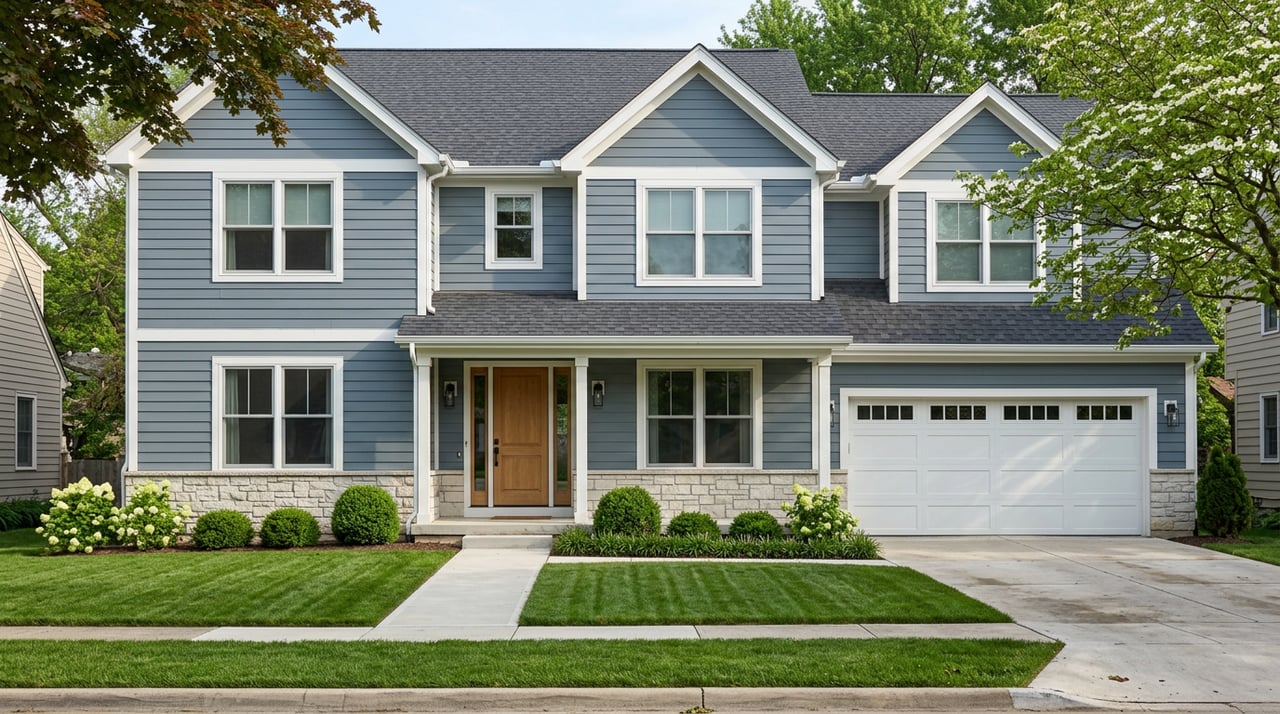
- Newer subdivisions with 3 to 5 bedrooms, open layouts, and yards.
- Community features like sidewalks, trails, and pocket parks depending on the neighborhood.
- Trade-offs: slightly longer drives to downtown and potential HOA fees.
Crozet and the US 250 corridor
Crozet is a frequent move-up destination with expanding services and newer housing stock. Master-planned areas like Old Trail offer trails and community features along with modern floor plans. You’ll likely gain interior space and a usable yard compared to the city, while staying within a manageable drive of Charlottesville.
Ivy and early neighborhoods toward Keswick
These areas often balance larger lots and privacy with access to US 250 and I 64. Expect a range of home ages, from established properties to select newer builds. Commutes to UVA and downtown can remain reasonable depending on your exact location.
Country Club area west of town
West of the city, you can find traditional layouts and homes with garages and mature landscaping. The appeal is quieter streets with quick access back into Charlottesville.
Exurban and rural options: privacy and acreage
If you’re craving elbow room, Albemarle County and nearby counties offer bigger lots and a quieter setting.
What you’ll find
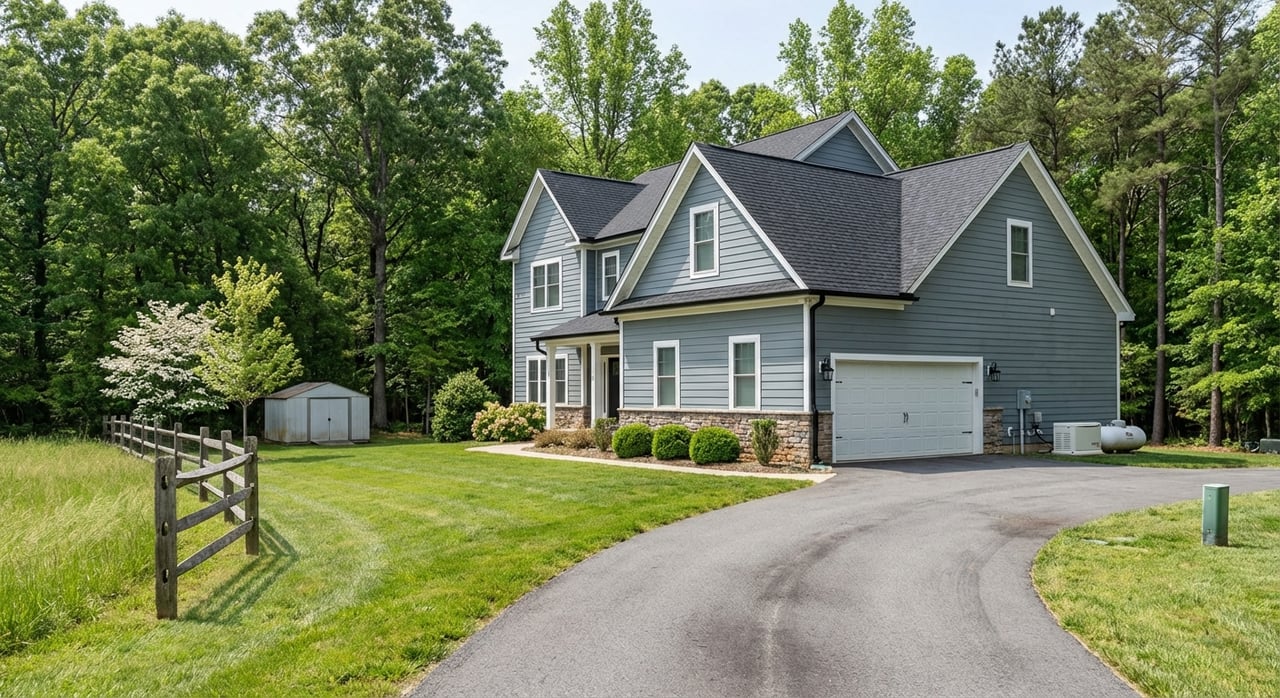
- Larger lots, custom homes or renovated older properties, and potential for outbuildings.
- Space for gardens, hobbies, or simply a deeper sense of privacy.
- Trade-offs: longer daily drives, private well and septic in many cases, and rural road considerations in winter weather.
Earlysville
A popular choice for those wanting more land while staying within a practical drive to Charlottesville. Expect a mix of classic and custom homes on larger lots.
North Garden and Scottsville
South and southeast of town along the James River corridor, you’ll find scenic settings, older homes, and custom builds. Plan for a longer commute and confirm utilities and service differences.
Northern Albemarle and nearby counties
Parts of Greene or Nelson can expand your search with lower density and bigger parcels. The location trade-off is more driving and fewer nearby services, which may suit your lifestyle if you work partly from home.
New-construction and master-planned communities
If move-in ready is your priority, new neighborhoods offer modern layouts and energy-efficient systems.
What you’ll find
- Open-plan kitchens, large islands, mudrooms, and primary suites with walk-in closets.
- Community amenities such as pools or parks and predictable HOA rules.
- Trade-offs: a price premium for new homes, active construction during build-out, and monthly HOA dues.
Crozet new-builds and Old Trail
This area continues to add phases and new streets with contemporary designs. You gain warranties, efficient systems, and less immediate maintenance.
Route 29 corridor communities
North of Charlottesville, newer subdivisions offer convenience to shopping and major roadways. If you commute along US 29 or Emmet Street, the location can be practical.
What to look for: your move-up checklist
Use this quick checklist to keep your search focused and realistic.
Floor plan and interior
- Bedroom count and location that match your needs, including a main-level bedroom or a well-separated primary suite.
- Flexible rooms for an office, playroom, or guest space.
- Kitchen and living flow that fits how you cook and gather, plus pantry and storage.
- Finished lower level or attic for bonus space and storage.
- Systems and updates: know the age of HVAC, roof, windows, water heater, and electrical.
Lot and exterior
- Lot size, yard usability, sun exposure, and privacy.
- Garage capacity and parking rules, especially for in-town streets.
- Deck, patio, or porch for outdoor living.
- Drainage and floodplain awareness, particularly near rivers and streams.
Commute and convenience
- Peak-hour drive times to your workplace, not just mileage.
- Sidewalks, trails, or transit routes if you value alternatives to driving.
- School assignments and feeder patterns if they matter in your decision.
Costs and practicalities
- Property tax differences between the city and county.
- Utility and service details: municipal water and sewer versus well and septic, trash collection, and broadband options.
- HOA dues and rules if applicable.
- Renovation tolerance: likely costs for kitchens, baths, systems, and timing.
Inspection red flags
- Structural movement, roof age, water intrusion, and electrical or HVAC nearing replacement.
- For older homes, check for lead-based paint and older windows.
- For rural properties, confirm well and septic condition and permits.
City vs county: the big trade-offs
Choosing inside city limits versus Albemarle County usually comes down to your priorities.
- City strengths: shorter commutes, walkability, and historic character with smaller lots.
- County strengths: larger lots, newer construction, and more space inside and out.
- Budget differences: your dollars may stretch further on lot size and interior square footage in the county. Compare recent sales side by side to confirm.
- Services and taxes: city and county tax structures and services differ. Review how trash, utilities, and other services work for any address you consider.
Always verify school zones, taxes, and municipal services by specific address since boundaries can shift and neighborhood lines are informal.
How to compare neighborhoods step by step
Use a clear process so your decision is grounded in data and day-to-day reality.
Define must-haves. Bedrooms, lot size, commute ceiling, school preferences, and renovation tolerance.
Pull recent sold comps. Look at the most recent 6 to 12 months in each target area to compare price, size, and condition.
Test real commute times. Check peak-hour drive times to UVA, medical centers, or downtown during typical weekday rush periods.
Confirm schools. Check assignment boundaries and recent performance data and be aware of enrollment capacity.
Check walkability and amenities. Note sidewalks, parks, groceries, and healthcare proximity for each address.
Verify utilities. Confirm if the home is on municipal water and sewer or private systems, plus trash and broadband providers.
Estimate near-term costs. Assess ages of major systems and likely renovation needs to budget realistically.
Calculate total cost of ownership. Include mortgage, taxes, insurance, HOA dues, utilities, and expected maintenance.
Neighborhood snapshots: what to expect
While exact numbers change often, you can rely on these general patterns when you compare areas.
- In-town neighborhoods: smaller lots, older homes with character, higher walkability, and short commutes. Renovation levels vary by property.
- Close-in Albemarle suburbs: larger homes and yards, attached garages, and neighborhood amenities with modestly longer commutes.
- Exurban and rural areas: significantly larger parcels and privacy with longer drives and private systems like wells and septic.
- New-construction communities: turnkey finishes and efficient systems with HOA structures and possible construction activity during build-out.
Ready to explore your shortlist?
Your next home should fit the way you live today and where you’re headed next. If you want a calm, data-informed process with clear guidance on neighborhoods, commute realities, and total ownership costs, let’s talk. Schedule a quick consult with Patricia Irby to map your move-up plan and tour the best-fit options.
FAQs
Should move-up buyers stay inside the City of Charlottesville?
- It depends on your priorities. The city offers shorter commutes and walkability, while the county often delivers larger lots and newer homes. Compare commute times, taxes, and renovation tolerance.
How much more space can I get outside the city?
- Budgets often stretch further on lot size and interior square footage in close-in Albemarle and beyond. Review recent sold comps side by side for your target neighborhoods.
How do school assignments factor into the decision?
- School boundaries and performance vary by address and grade level. Always verify your specific address for assignment and review recent performance and enrollment capacity.
What commute routes matter most in Charlottesville?
- Many commutes center on Emmet Street and the Route 29 corridor, US 250, and I 64. Test peak-hour drive times to your most important destination.
What renovation costs should I plan for in older homes?
- Plan for potential system updates like HVAC, roof, windows, and electrical, plus kitchens and baths if finishes are dated. A pre-offer contractor consult can sharpen your budget.
Are there neighborhoods with larger yards and reasonable commutes?
- Close-in Albemarle, including parts of Crozet and areas west or north of the city, often balance space with practical drive times. Your exact destination will shape commute reality.
What should I check for rural or acreage properties?
- Confirm well and septic systems, driveway and road conditions, and realistic travel times for daily needs. Larger parcels offer privacy but require additional maintenance planning.