Looking for a Charlottesville neighborhood that feels calm and established without giving up in-town convenience? Greenbrier stands out for exactly that reason. If you want to understand what it’s like to live here, how the housing stock looks, and why so many buyers keep it on their short list, this guide will help you get grounded quickly. Let’s dive in.
Why Greenbrier Feels Quiet
Greenbrier sits on Charlottesville’s northeast edge and covers about 649 acres, giving it a more spread-out feel than many in-town areas. According to the city, it has about 2,216 residents and is the least dense neighborhood in Charlottesville among those with populations over 200.
That lower density matters when you are trying to picture day-to-day life. Greenbrier is not defined by a busy mixed-use streetscape or heavy foot traffic. Instead, the city data points to a quieter, established residential setting with a low renter share and a stronger owner-occupied feel.
The city fact sheet also notes that Greenbrier has a larger share of children and seniors than the Charlottesville average. That mix often signals a neighborhood where people stay longer and where the pace feels more settled over time.
Greenbrier Housing Character
Greenbrier developed as roughly a dozen suburban subdivisions, with most homes built after World War II. Neighborhood association information says most homes were built between the 1950s and early 1970s, which helps explain the consistent midcentury feel you see across much of the area.
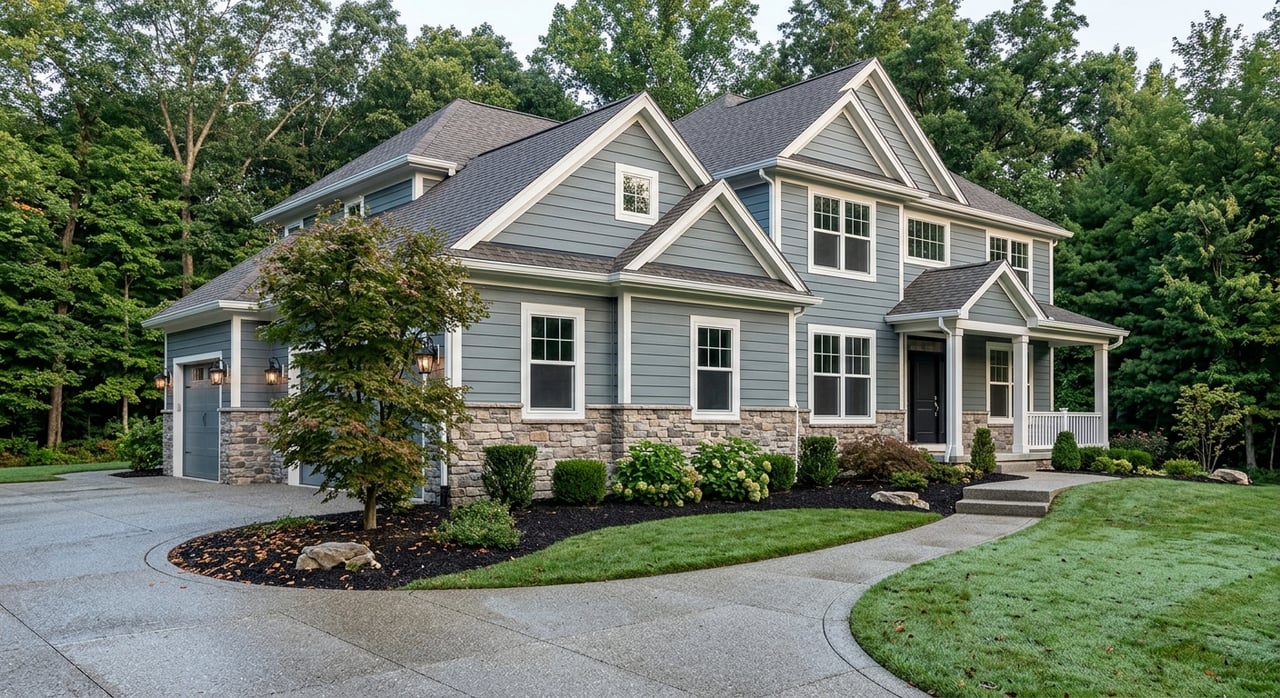
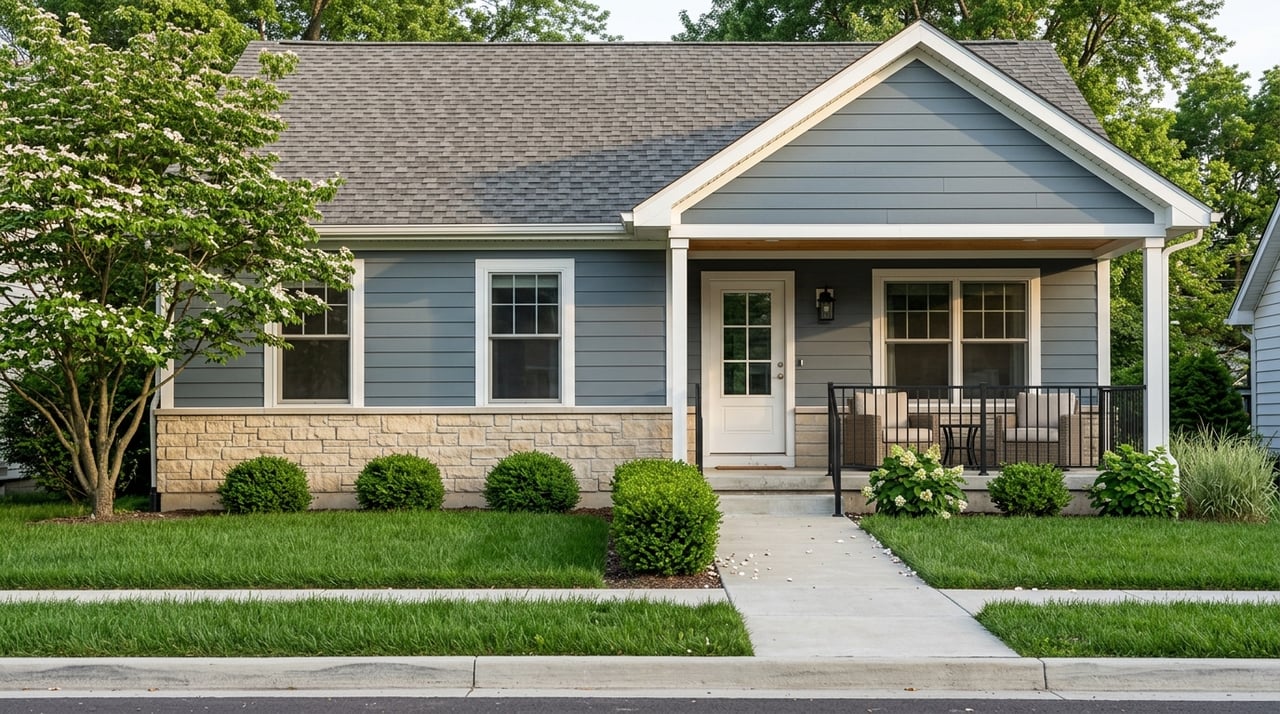
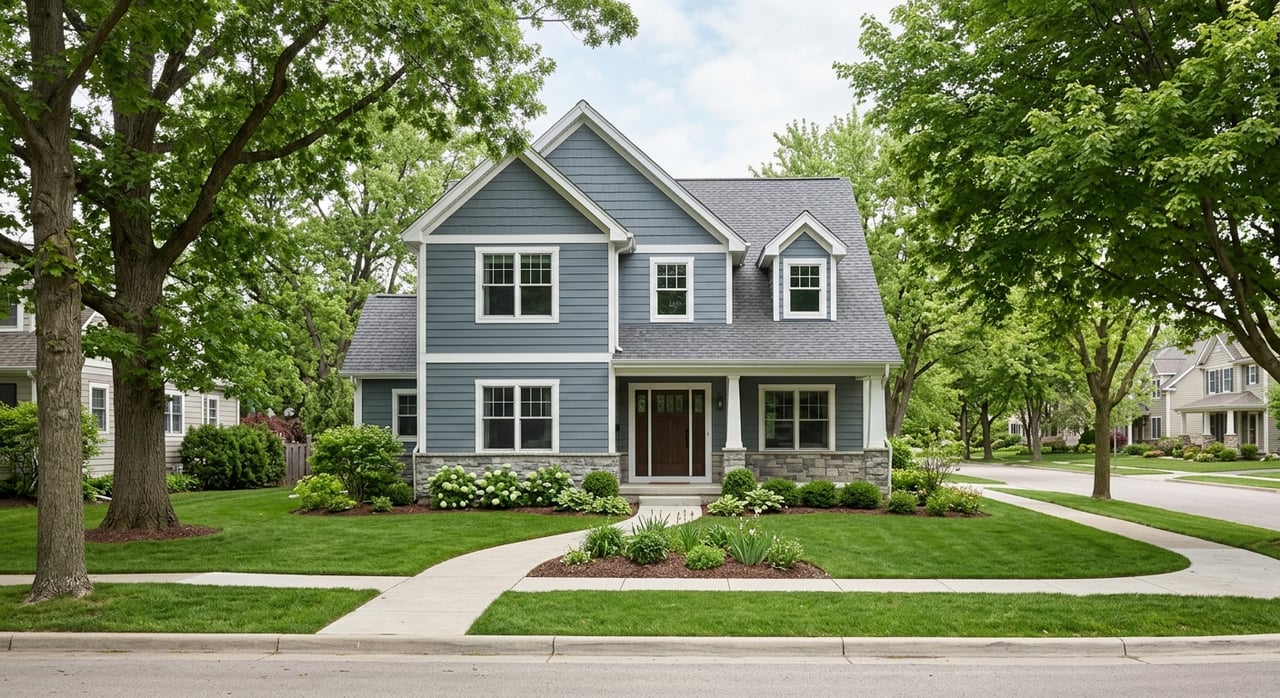
Many homes in Greenbrier are commonly described as brick ranches, split-levels, and some Colonial Revival styles. Larger lots and mature trees are also part of the neighborhood’s identity, which adds to the sense of space and privacy.
From a planning standpoint, most of the neighborhood is zoned residential, with R-A making up the majority and some R-B and R-C areas around the edges. A small number of CX-5 lots front Rio Road, but the overall pattern remains primarily low-rise and residential.
If you are comparing prices across Charlottesville neighborhoods, Greenbrier tends to land above the city average without reaching the very top tier of in-town pricing. The city fact sheet places the median home value at $604,000, compared with a citywide figure of $516,000. For context, North Downtown’s fact sheet shows a higher median home value of $676,000.
Parks and Trails in Greenbrier
One of Greenbrier’s biggest strengths is how much outdoor access it offers while still feeling residential. For buyers who want green space nearby, this is one of the neighborhood’s clearest advantages.
Greenbrier Park Access
Greenbrier Park is a 28.3-acre undeveloped park with Meadow Creek trails, wetlands boardwalks, and access points from Greenbrier Drive, Brandywine Drive, and Jamestown Drive. The city says the park’s marsh is believed to be one of only two such natural marshes in the Virginia Piedmont region.
The park also has a practical role in everyday life. Its footbridge is used by neighborhood school children walking to Greenbrier School, which shows how park space and neighborhood circulation connect here in a very real way.
Greenleaf Park Convenience
Greenleaf Park adds a different type of amenity. It includes 14 acres of grassy parkland with a playground, spray ground, picnic shelters, restrooms, and trails.
There is also a soft-surface trail connecting to Walker School and nearby neighborhoods. That makes Greenleaf Park useful not just for recreation, but also for day-to-day neighborhood movement.
Broader Trail Connections
Greenbrier also connects into a larger city trail network. The city trails page shows the Greenbrier Park Trail following Meadow Creek, the Greenleaf Park Trail connecting to Walker School, the McIntire Park Trail reaching the Charlottesville High School bridge, and the John Warner Parkway trail running from the 250 Bypass at McIntire Park north to Rio Road.
For a neighborhood with a low-density feel, that is a notably strong trail system. If you enjoy walking, casual outdoor time, or simply having access to open space nearby, Greenbrier offers more than many buyers expect.
Everyday Convenience and Access
Greenbrier feels residential, but it is still well positioned for getting around Charlottesville. The neighborhood is near Rio Road, US 29 North, the US 250 Bypass, and John Warner Parkway, which supports straightforward road access to many parts of the city and county.
The city fact sheet also points to nearby retail nodes such as Barracks Road, the Shops at Stonefield, and Seminole Square. That means daily errands, shopping, and services are relatively close, even though the neighborhood itself is not heavily commercial.
This balance is part of Greenbrier’s appeal. You can have a calmer home base while still staying connected to the places you need to reach most often.
What Daily Life Looks Like
Greenbrier’s numbers help explain how people tend to experience the neighborhood. The city reports that 69% of commuters drive and only 1% walk, which is consistent with a neighborhood where convenience is mostly road-based rather than centered on a dense pedestrian corridor.
That does not mean the area lacks walkability within the neighborhood itself. Instead, it means Greenbrier functions differently from more urban parts of Charlottesville. You are more likely to think in terms of residential streets, trail access, parks, and quick drives than storefront-to-storefront walking.
The Greenbrier Neighborhood Association also adds to that established feel. The neighborhood has no formal HOA, and community engagement happens through a volunteer executive committee, an email list, and recurring events such as an annual June picnic and a fall gathering.
How Greenbrier Compares to Other Areas
If you are trying to narrow your home search, comparison can help. Greenbrier offers a distinct experience compared with some of Charlottesville’s other well-known neighborhoods.
Greenbrier vs. North Downtown
Compared with North Downtown, Greenbrier is much less dense and much more owner-occupied. The city fact sheets show North Downtown with 61% renter occupancy and 14% walking commuters, while Greenbrier shows 10% renter occupancy and 1% walking commuters.
In practical terms, North Downtown offers a more urban in-town feel. Greenbrier offers a quieter, more suburban pattern while still staying inside Charlottesville.
Greenbrier vs. Belmont
Compared with Belmont, Greenbrier is less mixed-use and more traditionally residential. City materials describe Belmont as a late-19th-century neighborhood with mixed housing, corner convenience stores, and industrial or commercial uses south of the railroad tracks.
That makes Greenbrier a better fit for buyers who want a neighborhood centered more clearly on homes, parks, and residential streets rather than a more blended land-use pattern.
Who Greenbrier May Appeal To
Based on the city’s density, renter, commute, and land-use data, Greenbrier often rises to the top for buyers who want in-town access without a highly urban setting. It can be especially appealing if you value established homes, mature trees, and meaningful park access.
For relocating households, Greenbrier can also be easy to understand quickly. The combination of school adjacency, trail access, and road connections makes it a practical neighborhood to consider when you want a quieter residential base inside Charlottesville.
If you are buying, this is the kind of neighborhood where it helps to look beyond listing photos. Lot size, home updates, street position, and proximity to park access can all shape value and day-to-day fit. If you are selling, those same details can become part of a smart pricing and marketing strategy.
When you are weighing whether Greenbrier is the right match, the goal is not just finding a house. It is finding the right neighborhood rhythm for your life.
If you are thinking about buying, selling, or relocating in Charlottesville, Patricia Irby brings local insight, thoughtful guidance, and strong negotiation support to help you move forward with confidence.
FAQs
What is Greenbrier in Charlottesville like?
- Greenbrier is a low-density, primarily residential Charlottesville neighborhood on the city’s northeast edge with established subdivisions, mature trees, and strong park and trail access.
Are homes in Greenbrier, Charlottesville older or newer?
- Most Greenbrier homes were built after World War II, with many dating from the 1950s to the early 1970s.
What types of homes are common in Greenbrier, Charlottesville?
- Common home styles in Greenbrier include midcentury brick ranches, split-levels, and some Colonial Revival homes, often on larger lots.
Does Greenbrier, Charlottesville have parks and trails?
- Yes. Greenbrier has access to Greenbrier Park, Greenleaf Park, McIntire Park connections, and several city trail links including Meadow Creek and John Warner Parkway routes.
Is Greenbrier, Charlottesville walkable for daily errands?
- Greenbrier has neighborhood trails and park connections, but city data shows most commuting is road-based, so daily convenience is generally more car-oriented than in denser parts of Charlottesville.
How does Greenbrier compare with North Downtown in Charlottesville?
- Greenbrier is less dense, more owner-occupied, and more suburban in feel, while North Downtown is denser and has a much higher renter share and walking commuter rate.
What is the median home value in Greenbrier, Charlottesville?
- The Charlottesville neighborhood fact sheet lists Greenbrier’s median home value at $604,000.