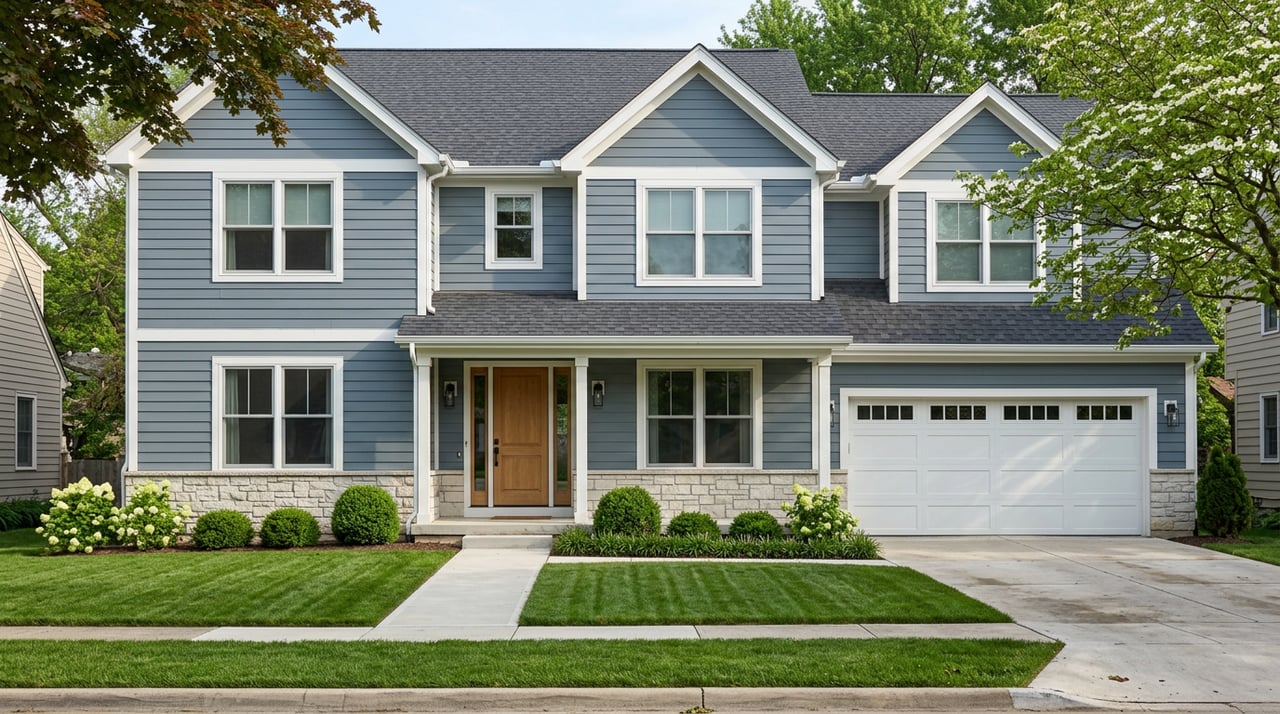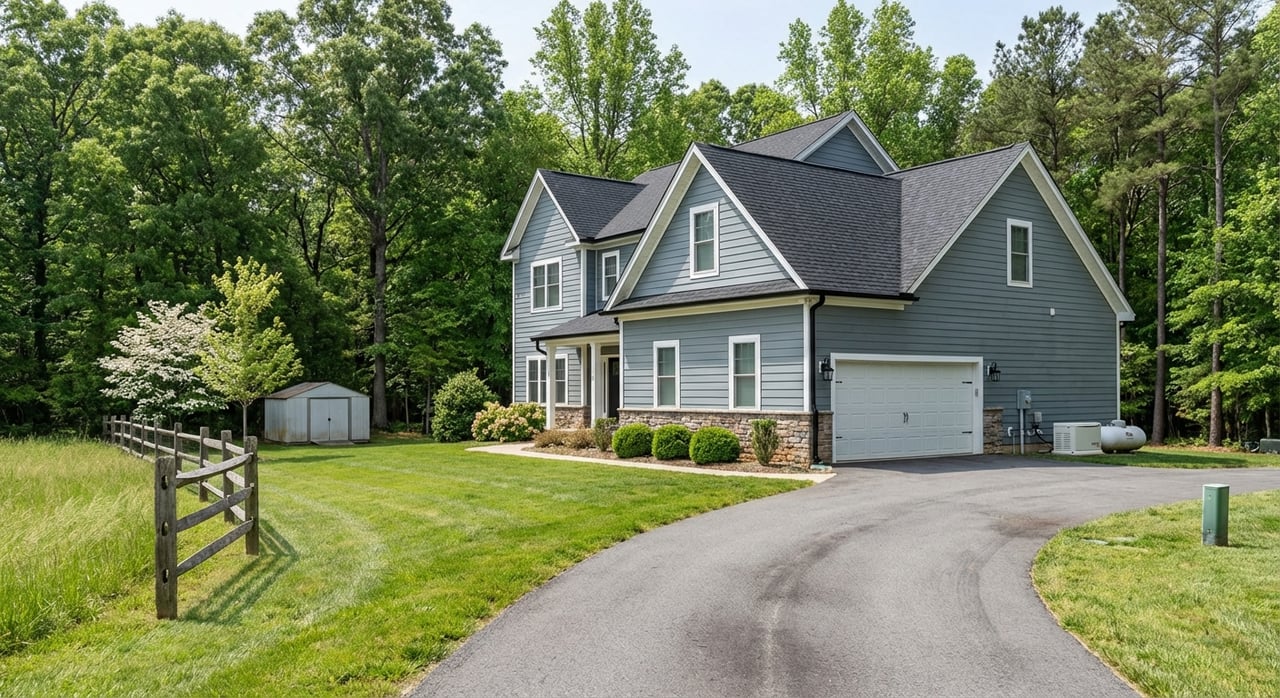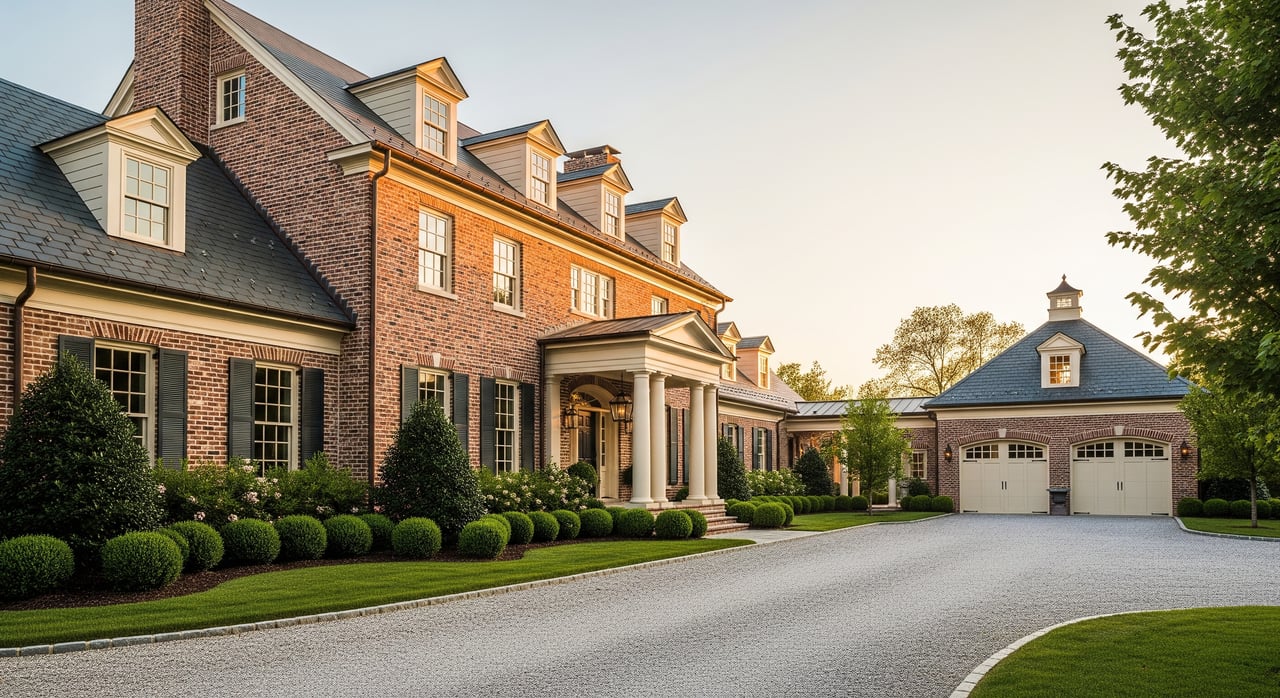
How much is your Earlysville home really worth in today’s market? In a semi-rural area where every parcel is a little different, pricing can feel confusing. You want a fair, data-backed number you can trust, whether you’re planning to sell or aiming to buy with confidence. This guide breaks down how a Comparative Market Analysis, or CMA, is built for Earlysville properties so you can understand comps, adjustments, and realistic value ranges. Let’s dive in.
CMA basics in Earlysville
A CMA is a market-based estimate of a home’s probable sale price. It compares your property to similar recent sales, plus pending and active listings for context. The goal is to arrive at a realistic price range based on current local evidence and agent expertise.
A CMA is not an appraisal. An appraisal is a formal opinion prepared by a licensed appraiser, usually ordered by a lender for financing. A CMA uses market data and local knowledge to guide pricing and offer strategy. In semi-rural areas like Earlysville, a strong CMA helps you make clear decisions even when sales are sparse or properties are unique.
How agents build a CMA here
1) Define the subject precisely
Your agent starts with a full picture of the property: parcel ID, acreage, lot shape, access by paved or private road, utilities (public vs well and septic), building size and age, condition, updates, and any outbuildings or fenced pasture. County records and parcel maps help confirm boundaries and taxes.
2) Set the market area
In Earlysville, the market area can be broader than an in-town neighborhood. Buyers often weigh distance to Charlottesville, commuting routes, and similar rural settings. Agents typically start within 3 to 7 miles or within Albemarle County areas with similar access. If sales are thin or the property is unusual, the search can extend to 10 to 15 miles or include similar rural sections of northern Albemarle and nearby counties, with careful adjustments.
3) Choose the right comps
Closed sales carry the most weight, followed by pending and then active listings to show direction. Aim for 3 to 6 strong sold comps when possible. Key matching factors include location and access, usable acreage, dwelling size and layout, condition and updates, outbuildings, utilities and wastewater systems, and site features like view and privacy.
4) Adjust for differences
Each comp is adjusted to reflect differences from the subject. Typical adjustments account for square footage, acreage, condition and updates, barns or workshops, utility type, and micro-location. The agent applies market-derived dollar or percentage adjustments guided by local evidence.
5) Reconcile a range
Your CMA should present a low-to-high value range with a confidence level based on comp quality and market activity. It also explains the rationale for adjustments and shows days on market and pricing trends for context.
Picking comps in semi-rural Earlysville
Account for sparse sales
Earlysville has lower sales density than urban areas. Your CMA may include comps spread over a slightly larger area or longer time frame. That wider net increases uncertainty, which should be communicated in the final range.
Focus on usable acreage
Not all acres are equal. Flat, usable pasture near the home often carries more value than steep or heavily wooded sections. For acreage-heavy properties, the first few acres commonly carry more marginal value than distant acres.
Verify utilities, septic, and well
Public water and sewer can change buyer demand and financing ease. For private systems, your agent reviews permits, ages, and any known service history. Older systems or unknowns can require adjustments.
Consider roads, drives, and easements
Long private drives, seasonal access, or easements can reduce market appeal compared with similar homes on well-maintained, year-round roads. These access factors often warrant adjustments.
Evaluate outbuildings and improvements
Barns, run-in sheds, paddocks, and fenced pasture can add value for the right buyer pool. Their condition and utility matter. A well-kept horse barn with functional fencing will typically support a stronger adjustment than a basic storage shed.
Check zoning and development potential
Subdivision rules, minimum lot sizes, and conservation easements can affect value and per-acre pricing. Parcel layout and possible development potential may change the buyer pool and the CMA’s adjustment logic.
Weigh micro-location
Views, privacy, proximity to major routes, and distance to Charlottesville and UVA all influence demand. In the CMA, these location elements are reflected through paired sales and local market comparisons.
How adjustments work
Adjustments should reflect what the market is willing to pay for differences. The preferred method is paired-sales analysis, which compares two similar properties with one meaningful difference to estimate the value impact. When direct pairs are scarce, agents use multiple comps, market indicators, or cost-based estimates with clear justification.
Acreage adjustments
- Use nearby sales with similar lot sizes as a starting point.
- Expect diminishing marginal value as parcels get larger; the first few acres near the home often carry more weight than distant acreage.
- Emphasize usable acreage over total acreage. Flat, accessible pasture typically adjusts higher than steep or protected land.
- For small acreage differences, per-acre dollar adjustments may suffice. For large differences, consider separate comps from acreage-focused sales.
Outbuildings and barns
- Value is contributory, not replacement cost. The question is what the market paid for similar improvements.
- Condition and function matter. A solid barn with power and water plus fenced pasture usually adds more than a simple shed.
- When direct pairs are thin, a percentage of replacement cost may be used as a proxy, with careful notes about demand and condition.
Updates and condition
- Buyers in this area often pay more for updated kitchens, baths, roofs, and HVAC systems.
- Adjustments should reflect market response, not just project cost. A fully updated kitchen may warrant a meaningful dollar adjustment supported by recent sales.
- Functional issues or deferred maintenance can require negative adjustments.
Utilities, septic, and well
- Public water and sewer can justify positive adjustments based on buyer preference and maintenance expectations.
- Older septic systems or unknown well quality can push adjustments negative. Permit records and recent inspections help refine the numbers.
Location and commute
- Proximity to Charlottesville, key routes, and services can show up as location premiums or discounts.
- Use local sold comps to anchor these adjustments.
Interpreting your CMA
Expect a value range, not a single number. A narrow range suggests strong comp support and a stable market. A wider range signals fewer recent sales, atypical property attributes, or shifting conditions. The CMA should also label the confidence level as high, medium, or low based on comp quality and activity.
Active and pending listings help you read the direction of the market, but closed sales carry the most weight. If your goals differ from the CMA’s suggested range, your agent can discuss staging, targeted updates, and pricing strategies to reach your objectives. For highly unique or high-value rural properties, a licensed appraisal may be the best next step.
What sellers can do with a CMA
- Set a realistic list price and strategy that aligns with buyer expectations.
- Decide which updates or repairs will deliver the best return.
- Anticipate likely appraisal and buyer feedback before going live.
- Plan for timing and marketing in line with local activity levels.
What buyers can do with a CMA
- Define a smart offer range grounded in the latest sales.
- Understand how acreage, barns, or system ages affect value.
- Weigh tradeoffs on commute time versus land and privacy.
- Protect your budget while staying competitive.
Documents to gather for a stronger CMA
- Deed and parcel map or recent survey
- Septic and well permits, ages, and any service records
- Notes on utilities and any recent inspections
- List of improvements with dates and contractor info
- Maintenance records for barns, fences, or other outbuildings
- Recent utility bills and any warranties
Earlysville CMA quick rules of thumb
- Target 3 to 6 solid sold comps when possible.
- Favor sales from the past 3 to 12 months; if the market is thin, extend to 12 to 24 months and note time adjustments.
- Start your search within 3 to 7 miles. If necessary, expand to 10 to 15 miles or to similar rural areas with clear explanations.
- Emphasize usable acreage and documented system details.
- Present a range with a stated confidence level.
Ready to price with confidence?
If you want a clear, Earlysville-specific pricing plan for selling or a grounded offer strategy for buying, let’s talk. I’ll build a CMA that explains the comps, the adjustments, and the range so you can move forward with confidence.
Let’s connect over coffee and outline your next steps with Patricia Irby.
FAQs
What is a CMA vs. an appraisal for Earlysville homes?
- A CMA is a market-based estimate prepared by an agent using local sales and expertise, while an appraisal is a formal valuation by a licensed appraiser, often required by lenders.
How many comparable sales are needed in Earlysville?
- Aim for 3 to 6 solid sold comps; if few exist, expand distance or time and show a wider value range with lower confidence.
How recent should comps be in a semi-rural market?
- Prefer sales from the last 3 to 12 months; in a thin market, extend to 12 to 24 months with time adjustments noted.
How do you value acreage around Earlysville?
- Use nearby sales to derive per-acre indicators, emphasize usable acreage, and apply diminishing marginal value as lot size increases.
Do barns and outbuildings add full replacement cost to value?
- No, they add contributory value based on what buyers will pay, which is usually less than full replacement cost and depends on condition and demand.
What if my Earlysville home is unique and has few comps?
- Expand the search radius and timeframe, use the best analogues available, widen the value range, and consider a licensed appraisal for added certainty.